

The Role of Natural Leaves in Rabbit Nutrition: An Evaluation of Fiber, Calcium, and Gastrointestinal Health
The Physiological Importance of Fiber in Rabbits
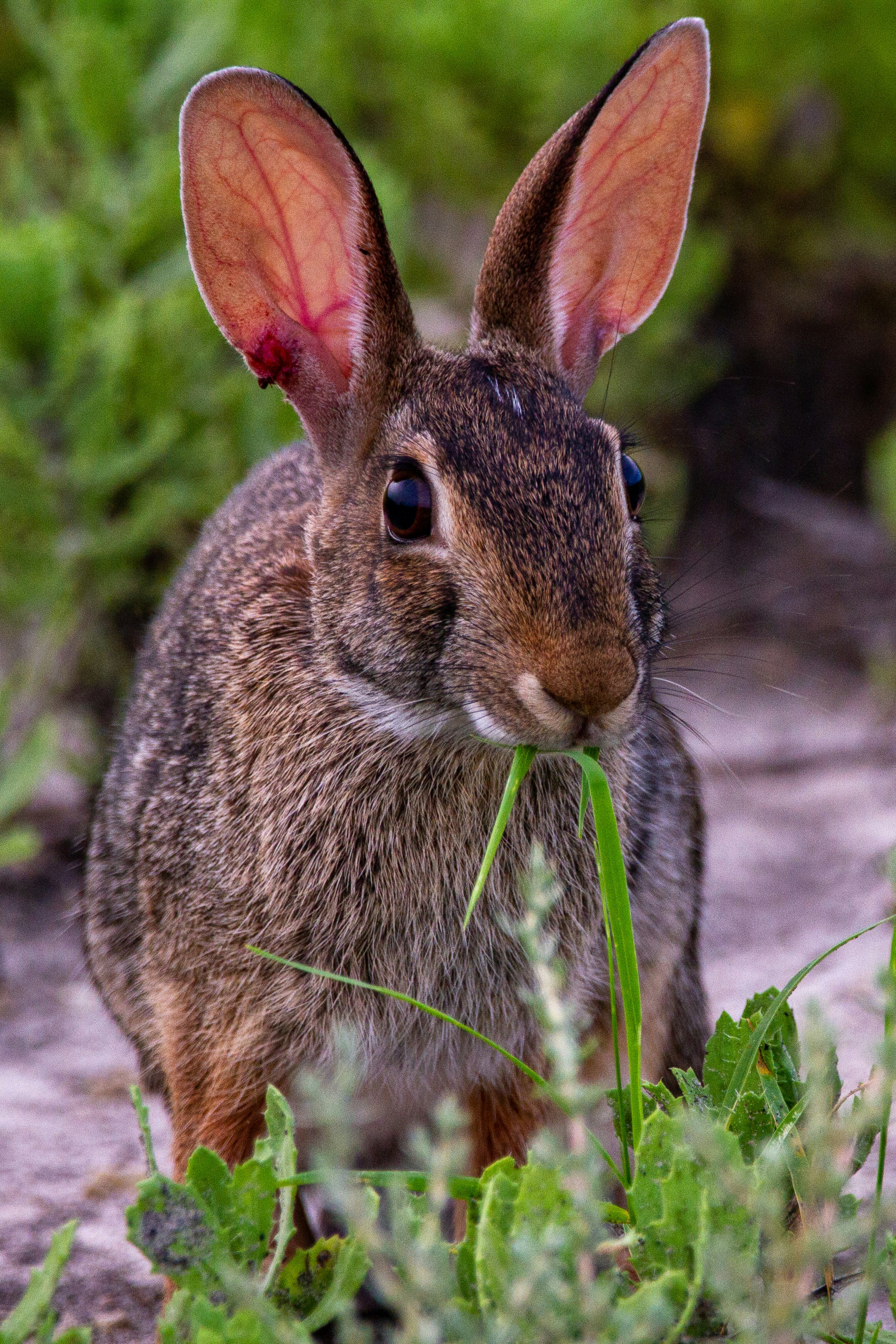
Rabbits are obligate herbivores that rely on hindgut fermentation for digestion. Proper gastrointestinal function depends on the continuous intake of large amounts of structural fiber. Fiber not only stimulates normal intestinal motility but also plays a crucial role in maintaining a healthy cecal microbiota.
Rabbits fed low-fiber diets are at increased risk of developing:
Gastrointestinal stasis
Cecotroph production disorders
Obesity
Dental overgrowth
Hepatic lipidosis
Chronic enteropathies
Therefore, the primary objective of rabbit nutrition is not merely to meet energy requirements but to provide sufficient fiber to preserve normal gastrointestinal physiology.
Nutritional Properties of Mulberry Leaves
Although mulberry leaves (Morus spp.) are best known as the primary feed for silkworms, they are also considered a valuable forage source for many herbivorous species because of their high fiber and mineral content.
Nutritional analyses have shown that mulberry leaves contain:
High crude fiber
Moderate protein levels
High calcium
Potassium
Magnesium
Antioxidant phenolic compounds
For these reasons, mulberry leaves are widely used not only for rabbits but also as a natural dietary supplement for:
Tortoises
Iguanas
Guinea pigs
Other herbivorous rodents
Calcium Metabolism in Rabbits
Calcium metabolism in rabbits differs significantly from that of most other mammals.
While most mammals tightly regulate intestinal calcium absorption, rabbits absorb a substantial proportion of dietary calcium regardless of immediate physiological need and eliminate excess calcium primarily through the kidneys.
Consequently:
Adequate calcium intake is essential.
Excessive or unbalanced calcium supplementation should be avoided.
Although mulberry leaves are an excellent natural calcium source, they are best offered as part of a varied selection of leafy plants rather than being fed in large amounts alone.
Behavioral Importance of Plant Diversity
Wild rabbits consume a wide variety of plant species throughout the day.
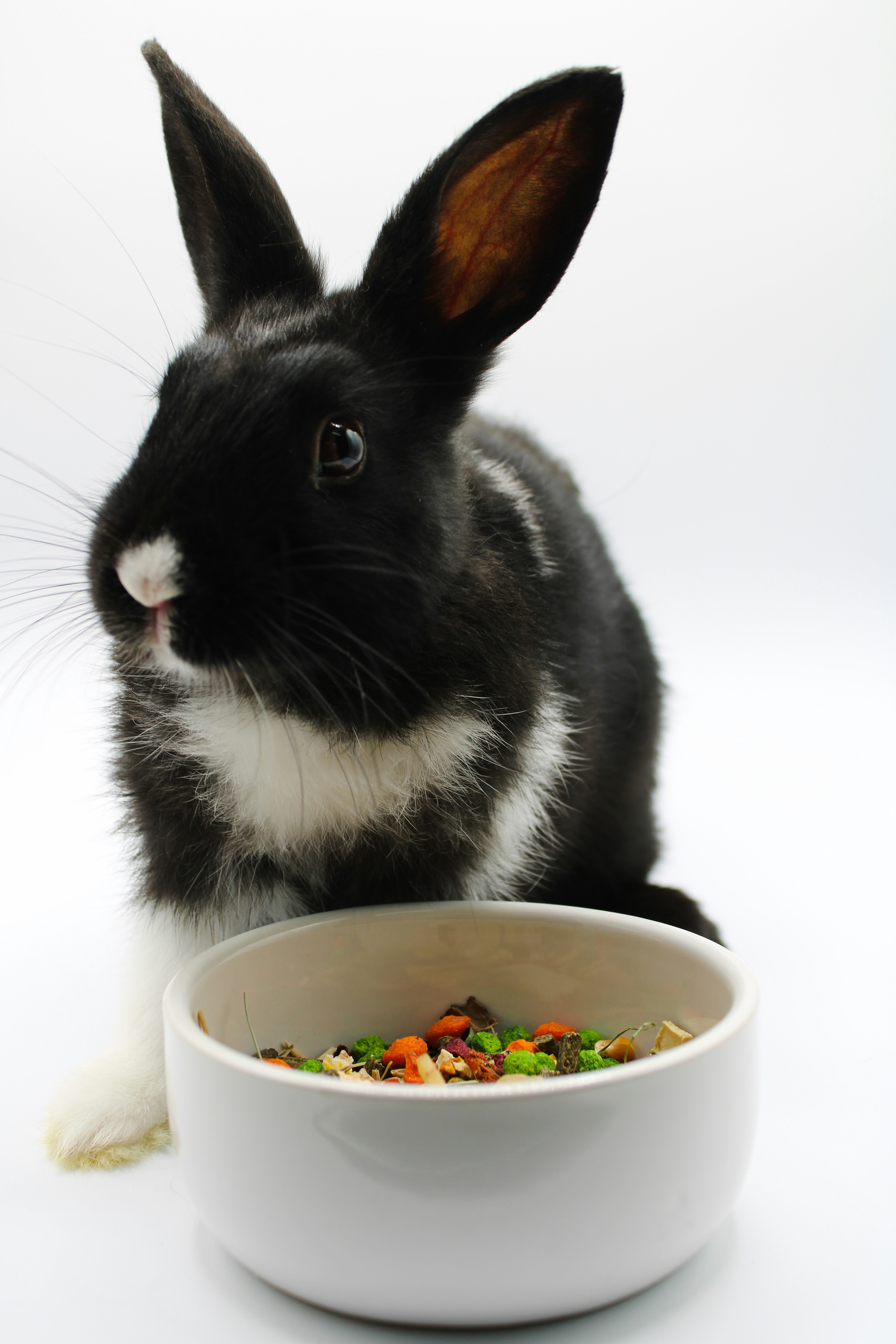
In contrast, many pet rabbits are often fed highly restricted diets consisting primarily of:
Pellets
Lettuce
Carrots
Such limited diets may contribute not only to nutritional imbalances but also to behavioral deprivation.
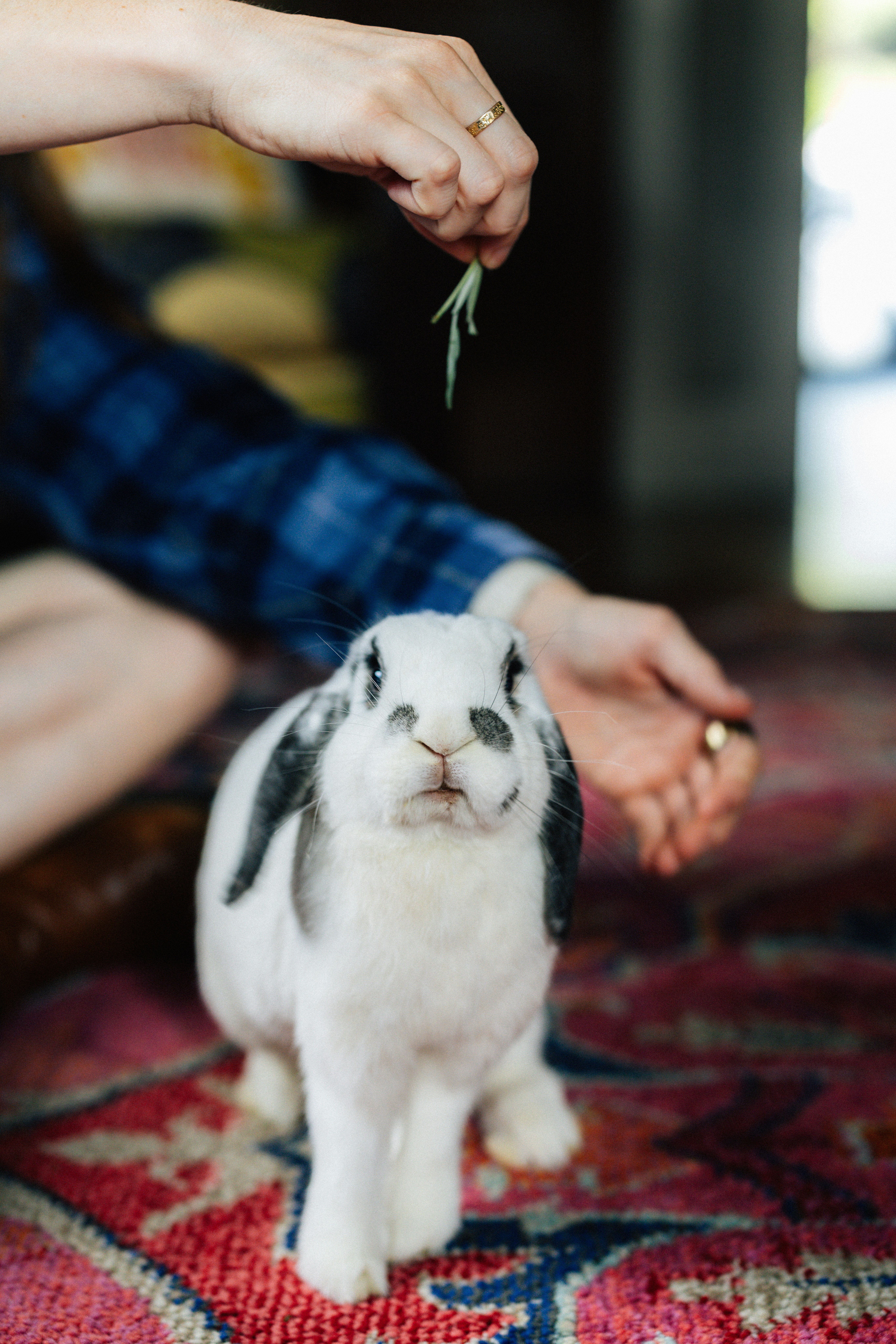
Offering a variety of safe leaves can:
Encourage natural foraging behavior
Reduce selective feeding
Provide environmental enrichment
Promote species-appropriate feeding behavior
The Use of Hibiscus and Rose Leaves
Hibiscus and rose plants have long been recognized as safe dietary components in the nutrition of exotic herbivores.
Their:
High fiber content
Low energy density
Excellent palatability
make them particularly useful for rabbits requiring weight management.
Providing edible flowers may also enhance environmental enrichment and stimulate natural exploratory behavior.
Potential Effects on the Gastrointestinal Microbiota
Recent studies on rabbit gastrointestinal physiology suggest that botanical diversity may contribute to a more stable cecal microbiota.
Compared with monotonous diets, offering multiple fiber sources may:
Support balanced fermentation
Increase microbial diversity
Reduce the risk of gastrointestinal stasis
Accordingly, the controlled inclusion of safe natural leaves should be regarded not only as a nutritional strategy but also as an important component of preventive veterinary medicine.
Recommended Clinical Approach
High-quality grass hay should always remain the foundation of the daily diet.
Natural leaves should instead be considered as:
Supportive forage
Environmental enrichment
An additional source of dietary fiber
In our clinical practice, the following are among the natural leaves that can be safely incorporated into the diet:
Mulberry leaves
Hibiscus leaves
Rose leaves
Blackberry leaves
Raspberry leaves
Conclusion
Carefully selected natural leaves can make a valuable contribution to rabbit nutrition. In particular, mulberry leaves stand out because of their high fiber content, rich mineral composition, and excellent palatability.
However, natural leaves should never replace high-quality hay. The objective is to provide a diverse, fiber-rich diet that supports the rabbit's natural feeding behavior and gastrointestinal health.
In modern rabbit medicine, success lies not only in the treatment of disease but also in providing living conditions that closely reflect the rabbit's natural physiology.